Kia Sonet Petrol vs Diesel: Which Engine Should You Choose in 2026?
Published on 4 September 2026
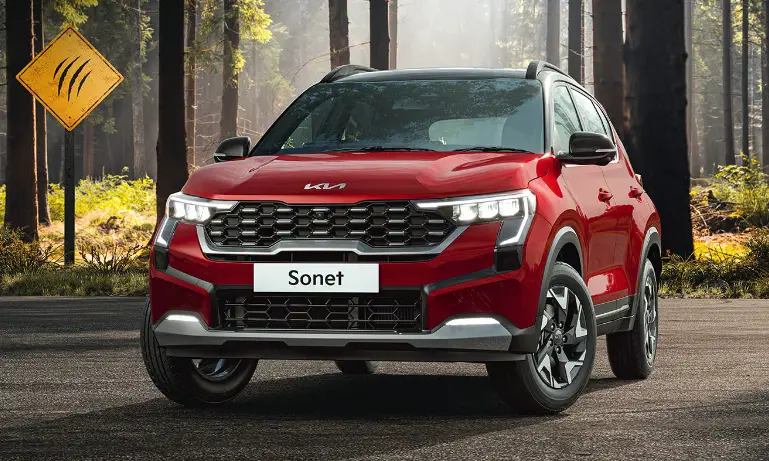
The 2026 Kia Sonet gives buyers three engine options: a 1.2-litre petrol, a 1.0-litre turbo-petrol and a 1.5-litre diesel. Each one suits a different type of buyer.
The 1.2-litre petrol is the most affordable and works well for regular city use. The turbo-petrol offers stronger performance and an automatic gearbox option. The diesel delivers the highest torque and is better suited to frequent highway travel and high monthly running.
So, which Kia Sonet engine should you choose? Here is a practical comparison based on performance, mileage, gearbox options and expected usage.
Kia Sonet Petrol vs Diesel: Quick Comparison
| Specification | 1.2L Petrol | 1.0L Turbo-Petrol | 1.5L Diesel |
| Displacement | 1,197 cc | 998 cc | 1,493 cc |
| Maximum power | 61 kW (83 PS) | 88 kW (120 PS) | 85 kW (116 PS) |
| Maximum torque | 115 Nm | 172 Nm | 250 Nm |
| Gearbox options | 5-speed manual | 6-speed iMT, 7-speed DCT | 6-speed manual, 6-speed automatic |
| Claimed mileage | 18.8 km/l | 18.7 km/l with DCT | 24.1 km/l manual; 18.6 km/l automatic |
| Best suited for | City use and lower budgets | Performance and petrol automatic buyers | High running and highway use |
Understanding the Three Engine Options
Although this is a petrol-versus-diesel comparison, the Sonet actually offers two different petrol engines. Buyers should understand the difference before choosing one.
1.2-Litre Naturally Aspirated Petrol
The 1.2-litre petrol engine produces 83 PS and 115 Nm. It is available only with a 5-speed manual gearbox.
This is the simplest and most affordable engine in the Sonet range. Its power delivery is predictable, which makes it suitable for commuting, school runs and regular city use. A naturally aspirated engine also tends to respond smoothly at lower speeds.
However, it is the least powerful Sonet engine. With several passengers on board or during quick highway overtakes, you may need to change gears more frequently. It may feel adequate rather than exciting.
Choose this engine if you want a Sonet mainly for city use, have a limited budget and do not need an automatic.
1.0-Litre Turbo-Petrol
The 1.0-litre turbo-petrol produces 120 PS and 172 Nm. Despite having the smallest displacement, it is the most powerful engine in the Sonet line-up.
It is offered with a 6-speed iMT and a 7-speed DCT. The iMT does not have a clutch pedal, but the driver still changes gears manually. The DCT is a proper automatic and is the more convenient choice for city traffic.
The turbo-petrol feels quicker than the 1.2-litre engine and provides stronger acceleration for overtaking. It is a good choice for buyers who enjoy responsive performance but do not want a diesel.
The DCT can make daily driving easier, although buyers should take a proper test drive in slow traffic. A DCT may not always feel as smooth as a conventional torque converter automatic when the vehicle is crawling at very low speeds.
1.5-Litre Diesel
The 1.5-litre diesel produces 116 PS and 250 Nm. It offers considerably more torque than either petrol engine.
This additional torque is useful when carrying passengers and luggage, climbing inclines or overtaking on the highway. The engine is available with a 6-speed manual and a 6-speed torque converter automatic.
The diesel manual delivers the strongest claimed fuel-efficiency figure in the range at 24.1 km/l. This can make it attractive to buyers who cover long distances every month. The automatic offers easier driving but, with a claimed 18.6 km/l, it does not provide the same mileage advantage as the diesel manual.
Which Sonet Engine Is Better for City Driving?
For mostly city use, the 1.2-litre petrol is the sensible budget choice. It should be sufficient for routine journeys and costs less to buy than comparable diesel versions.
If you regularly drive through heavy traffic and want an automatic, the turbo-petrol DCT and diesel automatic are the main choices. The turbo-petrol feels quicker and suits buyers who prefer a responsive engine. The diesel automatic provides stronger low-speed pulling power and a smoother conventional automatic gearbox.
However, a diesel may not be the best choice if most journeys are short. Modern diesel cars use emission-control equipment, including a diesel particulate filter. Repeated short trips may not always give the system suitable conditions to complete regeneration. Owners should follow the instructions in the vehicle manual and pay attention to any warning lights.
For low annual running and short urban journeys, petrol is generally the simpler choice.
Which Engine Is Better for Highway Driving?
The diesel is the strongest all-round option for frequent highway travel. Its 250 Nm of torque makes overtaking and driving with a full load easier. The diesel manual also offers the best claimed mileage.
The turbo-petrol is another good highway option. It has enough power for quick acceleration and should feel more energetic than the 1.2-litre petrol. Buyers who travel mainly on highways but cover only a moderate annual distance may prefer it over paying extra for a diesel.
The 1.2-litre petrol can handle occasional highway journeys, but it is better suited to relaxed driving. Buyers who frequently travel with five occupants and luggage should test it carefully before making a decision.
Petrol vs Diesel Running Costs
Diesel usually consumes less fuel, particularly when paired with the manual gearbox. However, mileage alone should not decide the purchase.
A diesel variant generally costs more upfront than a comparable petrol variant. You need to drive enough kilometres for the fuel savings to recover this additional amount. The calculation will depend on:
- The price difference between the variants
- Petrol and diesel prices in your city
- Actual mileage in your driving conditions
- The number of kilometres driven every month
- Insurance and maintenance costs
- How long you plan to keep the car
If you drive only 700 to 1,000 km per month, recovering the higher diesel purchase price may take several years. If your running is closer to 1,500 or 2,000 km per month, particularly on highways, the diesel can make more financial sense.
Compare equivalent variants rather than comparing the base petrol with a better-equipped diesel model. This gives you a more accurate picture of the real price difference.
Which Kia Sonet Engine Should You Buy?
Choose the 1.2-litre petrol manual if:
- You mainly drive in the city
- Your monthly running is low or moderate
- You want the most affordable Sonet
- You prefer a simple manual powertrain
- Performance is not your main priority
Choose the 1.0-litre turbo-petrol if:
- You want stronger petrol performance
- You frequently drive on highways
- You want a petrol automatic
- You prefer quicker acceleration
- Your running is not high enough to justify a diesel
Choose the 1.5-litre diesel if:
- You cover long distances every month
- Highway journeys form a major part of your usage
- You regularly travel with passengers and luggage
- Strong low-end torque is important
- You intend to keep the car long enough to recover its higher price
Final Verdict
For most buyers with limited running and regular city use, the 1.2-litre petrol is the most practical and economical choice. Those who want better performance or an automatic petrol Sonet should consider the 1.0-litre turbo-petrol.
The diesel is best suited to buyers with genuinely high monthly running. Its 250 Nm torque and strong manual mileage make it particularly suitable for frequent highway journeys. The diesel automatic is convenient and powerful, but its claimed mileage advantage over the petrol automatic is relatively small.
Before deciding, test-drive the engines you are considering and compare equivalent variants. The right Sonet is not simply the one with the most power or the highest mileage. It is the one that best matches your daily route, monthly running and budget.
Frequently Asked Questions
1. Which Kia Sonet engine gives the best mileage?
The 1.5-litre diesel with the 6-speed manual gearbox offers the highest claimed mileage at 24.1 km/l. Actual mileage will vary with traffic, driving style, road conditions and vehicle load.
2. Is the Kia Sonet diesel suitable for city driving?
The Sonet diesel offers strong low-speed torque and is available with both manual and automatic gearboxes. However, petrol may be more suitable if you mostly make short city journeys or have low monthly running.
3. Which Kia Sonet petrol engine is better?
Choose the 1.2-litre petrol if affordability and regular city use are your priorities. The 1.0-litre turbo-petrol is better if you want quicker acceleration, stronger highway performance or a petrol automatic.
4. Is the Kia Sonet diesel automatic more fuel-efficient than the turbo-petrol DCT?
The difference in claimed mileage is very small. The diesel automatic is rated at approximately 18.6 km/l, while the turbo-petrol DCT is rated at around 18.7 km/l. Choose between them based on performance, purchase price, monthly running and gearbox preference rather than mileage alone.