Maruti Wagon R CNG: Mileage, Prices and Is It Worth Buying?
Published on 6 September 2026
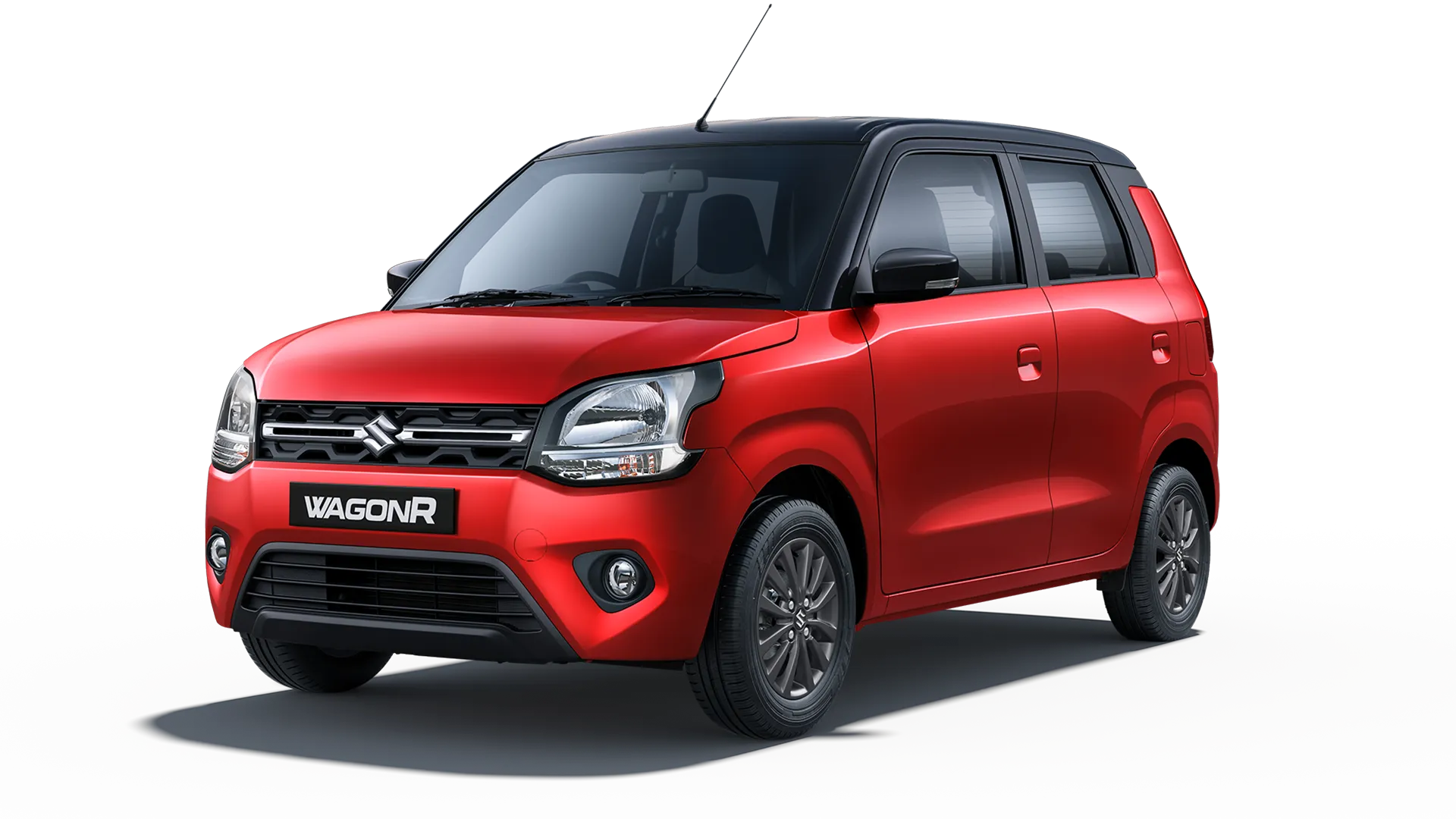
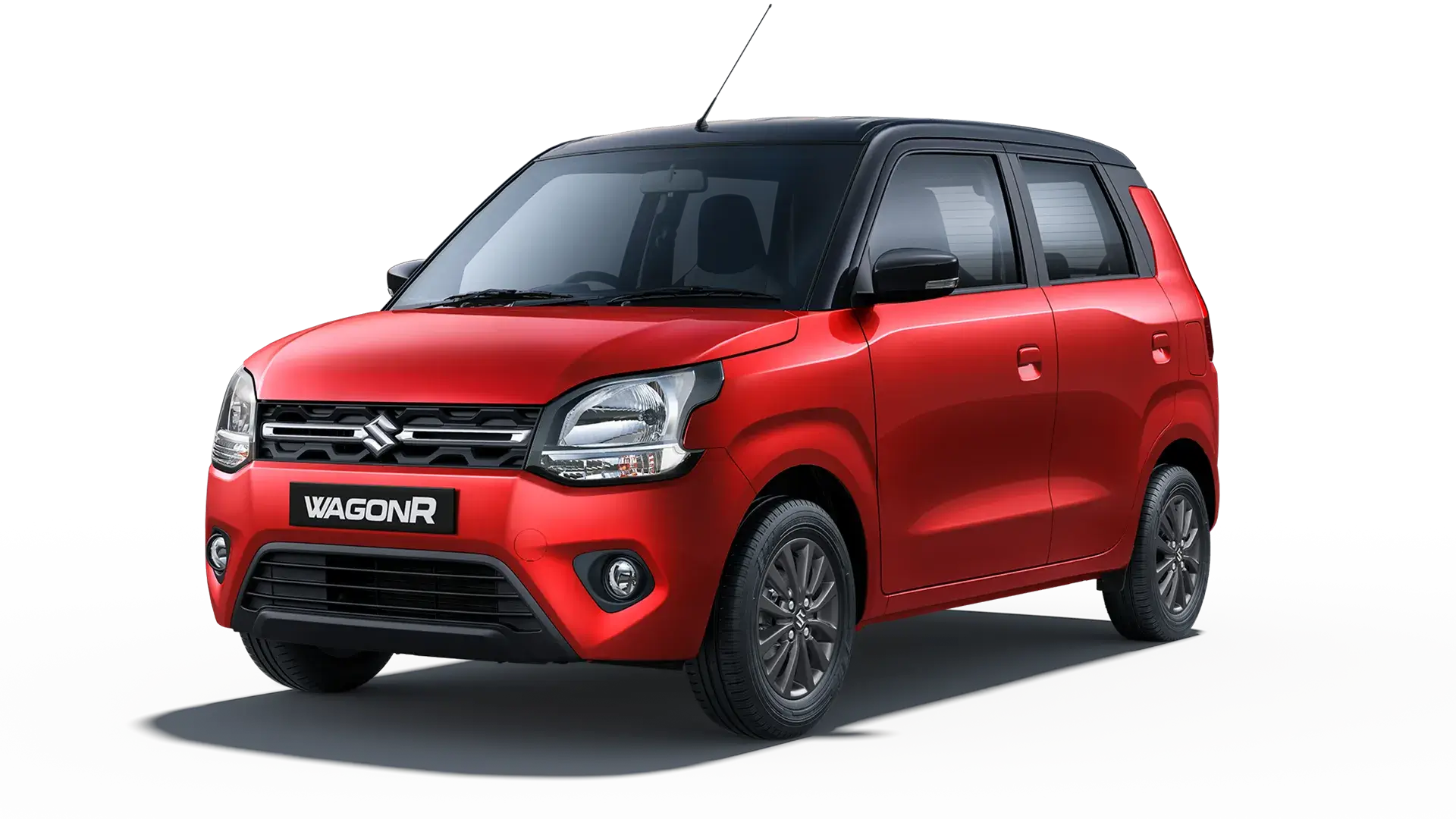
The Maruti Suzuki Wagon R CNG is a practical option for buyers who want a spacious family hatchback with lower running costs. It combines the Wagon R’s roomy cabin and easy city manners with a factory-fitted CNG system. However, the CNG variants cost around ₹95,000 more than their equivalent petrol versions, produce less power and leave less usable space for luggage.
The Wagon R CNG makes the most sense if you drive regularly, have convenient access to a CNG station and plan to keep the car for several years. If your monthly running is low or you frequently travel with a full load on highways, the petrol version may be a better choice.
Key Takeaways
- The Wagon R CNG is available in LXi and VXi variants.
- Both variants use a 1.0-litre engine and 5-speed manual gearbox.
- The certified mileage is 33.47 km/kg.
- The CNG version produces 56.6 PS and 82.1 Nm.
- It costs around ₹95,000 more than the equivalent petrol manual.
- CNG can lower your fuel cost, but the current saving is smaller than it once was.
- The cylinder occupies a significant part of the luggage area.
- There is no CNG automatic or AGS option.
Maruti Wagon R CNG Prices
The Wagon R CNG is available in two variants. The following ex-showroom prices apply in New Delhi as of September 2026:
| Variant | Ex-showroom Price |
| Wagon R LXi CNG | ₹5.94 lakh |
| Wagon R VXi CNG | ₹6.49 lakh |
More precisely, the LXi CNG costs ₹5,93,900 and the VXi CNG ₹6,49,400. Prices can vary following manufacturer revisions, so check the latest quotation before booking.
The corresponding LXi and VXi petrol manuals are priced at approximately ₹4.99 lakh and ₹5.54 lakh, respectively. This means you pay around ₹95,000 extra for the factory-fitted CNG system.
This difference will also increase the insurance premium and final on-road price. Compare complete dealer quotations rather than looking only at ex-showroom prices.
Wagon R CNG Engine and Performance
Both CNG variants use Maruti Suzuki’s 998 cc K10C three-cylinder engine. It can run on CNG as well as petrol, but its output changes according to the fuel being used.
| Fuel Mode | Maximum Power | Maximum Torque |
| CNG | 56.6 PS at 5,300 rpm | 82.1 Nm at 3,400 rpm |
| Petrol | 67.7 PS at 5,600 rpm | 91.1 Nm at 3,400 rpm |
The regular 1.0-litre petrol Wagon R produces 68.5 PS and 91.1 Nm. Therefore, the reduction in performance is most noticeable when the CNG version is running on gas.
The CNG engine is adequate for everyday city journeys with one or two passengers. It can keep up with urban traffic when driven calmly. However, acceleration feels slower when the car is carrying several people, climbing a flyover or running with the air-conditioning switched on.
Highway overtaking requires more planning. Drivers who frequently carry a full load or travel on expressways may find the 1.2-litre petrol Wagon R more comfortable.
What Is the Mileage of the Wagon R CNG?
The Wagon R CNG has a certified mileage of:
33.47 km/kg
The certified figure comes from a controlled test. Real-world mileage will depend on traffic, driving style, tyre pressure, passenger load, air-conditioning use and road conditions. Owners should not assume that the car will deliver exactly 33.47 km/kg in everyday driving.
A calm driving style, timely servicing and correct tyre pressure can help improve efficiency. Rapid acceleration and carrying unnecessary weight will increase consumption.
Wagon R CNG vs Petrol Running Cost
CNG prices have risen considerably, so buyers should calculate the saving using current local fuel rates rather than relying on older comparisons.
As of 6 September 2026, petrol costs ₹102.12 per litre in Delhi. CNG costs ₹86.98 per kg.
Using these prices and the mileage figures for the Wagon R:
| Fuel | Price Used | Claimed Mileage | Approximate Fuel Cost |
| Petrol | ₹102.12/litre | 24.35 km/l | ₹4.19/km |
| CNG | ₹86.98/kg | 33.47 km/kg | ₹2.60/km |
On these assumptions, the CNG version saves approximately ₹1.59 per kilometre.
These figures use certified mileage for a like-for-like comparison. Actual running costs will depend on real-world mileage, traffic, driving style, passenger load and changing fuel prices.
How Long Will It Take to Recover the CNG Premium?
With an additional purchase cost of approximately ₹95,000 and an estimated saving of ₹1.59 per kilometre, the CNG premium would be recovered after roughly:
60,000 kilometres
The approximate recovery period would be:
| Monthly Driving | Approximate Break-even Period |
| 500 km | Around 10 years |
| 1,000 km | Around 5 years |
| 1,500 km | Around 3.3 years |
| 2,000 km | Around 2.5 years |
This calculation does not include differences in insurance, finance costs, servicing or resale value. It also uses certified rather than real-world mileage.
The main lesson is that the Wagon R CNG becomes financially attractive mainly for buyers with moderate to high annual running. At around 1,500 km per month, recovering the additional cost could take just over three years. At 500 km per month, the petrol version is likely to remain the more sensible financial choice.
Fuel prices also vary considerably across Delhi-NCR. IGL currently lists CNG at ₹92.01 per kg in Gurugram and ₹95.59 per kg in Noida. Buyers in these cities should calculate the break-even distance using their local petrol and CNG prices.
LXi CNG vs VXi CNG
The LXi CNG and VXi CNG use the same engine, gearbox and factory-fitted CNG system. The difference lies mainly in convenience and cabin features.
Wagon R LXi CNG
The LXi CNG includes essential features such as:
- Six airbags
- ABS with EBD
- Electronic Stability Program
- Rear parking sensors
- Manual air-conditioning and heater
- Front power windows
- Idle Start Stop when running on petrol
- Rear parcel tray
- Front accessory socket
- Three-point seat belts for all seats
At ₹5.94 lakh ex-showroom, it is the more affordable CNG option. It suits buyers who are mainly interested in space, safety and low running costs.
Wagon R VXi CNG
The VXi CNG adds several useful features, including:
- Remote keyless entry
- Front and rear power windows
- Tilt-adjustable steering
- Day and night inside rear-view mirror
- Electrically adjustable ORVMs
- Central locking
- Security alarm
- Speed-sensitive automatic door locking
- SmartPlay Dock
- Bluetooth, USB and AUX connectivity
- Two speakers
- 60:40 split-folding rear seat
- Full wheel covers
- Body-coloured door handles and ORVMs
The VXi CNG costs about ₹55,500 more than the LXi CNG. For a privately owned family car, the extra convenience features make it the better-equipped choice. Fleet buyers or those working with a strict budget may find the LXi sufficient.
What Happens to the Boot Space?
Maruti Suzuki lists 335 litres of boot space for the petrol Wagon R.
The CNG cylinder is installed in the luggage compartment and occupies a substantial amount of space. You may still be able to carry soft bags or a small amount of luggage, but the CNG version is less practical for large suitcases.
This is one of the biggest compromises of buying the Wagon R CNG. If your family regularly travels with a lot of luggage, inspect the boot at the dealership before making a decision. Do not judge its usefulness from the petrol version.
Is Wagon R CNG Safe?
The factory-fitted system is engineered and installed by the manufacturer. It is preferable to an unapproved aftermarket conversion because the vehicle and fuel system are designed to work together.
The current Wagon R also gets important safety equipment across the range, including:
- Six airbags
- ABS with EBD
- Electronic Stability Program
- Front seat belts with pretensioners and force limiters
- Seat belt reminders for front and rear occupants
- Three-point seat belts for all seats
- Rear parking sensors
- Child-proof rear door locks
- Speed alert system
Owners must still follow basic CNG safety practices. Service the car according to Maruti Suzuki’s schedule, have the cylinder and fuel lines inspected as recommended, and avoid modifications by unauthorised workshops. If you notice a gas smell, switch off the engine, move away from ignition sources and have the system checked immediately.
Practical Points to Consider Before Buying
Check CNG availability on your regular route
A lower running cost is useful only if filling CNG is convenient. Visit nearby stations during your normal travel hours. Long queues can reduce the time-saving benefit of owning a CNG car.
Consider your monthly running
If you drive less than 700 to 800 km a month, recovering the higher purchase price may take several years. A petrol Wagon R may be simpler and financially more sensible.
Test-drive the car in CNG mode
Do not evaluate it only while it is running on petrol. Drive with the air-conditioning switched on and, if possible, include passengers. This will give you a better idea of whether the available performance meets your needs.
Think about luggage requirements
The CNG cylinder reduces the usable boot area. Buyers who regularly travel with suitcases, a baby stroller or other bulky items should check the available space carefully.
Remember that it is manual only
Both Wagon R CNG variants use a 5-speed manual gearbox. If you want the convenience of an automatic, you will need to choose a petrol AGS variant.
Advantages of the Wagon R CNG
- Lower fuel cost per kilometre than the petrol version
- Certified mileage of 33.47 km/kg
- Spacious cabin with generous headroom
- Easy entry and exit
- Factory-fitted CNG system
- Six airbags and ESP as standard
- Wide Maruti Suzuki service network
- Choice of affordable LXi and better-equipped VXi variants
Disadvantages of the Wagon R CNG
- Costs around ₹95,000 more than the equivalent petrol model
- CNG cylinder reduces luggage space
- Lower power and torque in CNG mode
- Performance can feel weak with a full passenger load
- Available only with a manual gearbox
- Refuelling queues may be inconvenient
- Rising CNG prices have increased the break-even distance
- Not ideal for frequent high-speed highway travel
Maruti Wagon R CNG: Is It Worth Buying?
The Wagon R CNG is worth buying if you drive at least 1,200 to 1,500 km a month, can access CNG conveniently and plan to retain the car long enough to recover its higher purchase price. It works particularly well as an everyday city car for office travel, school runs and other regular journeys.
The VXi CNG is the better choice for most private buyers because features such as remote locking, rear power windows, adjustable mirrors and a basic audio system improve everyday usability. The LXi CNG makes more sense for buyers focused mainly on keeping the initial cost low.
Choose the petrol Wagon R if your monthly use is limited, you need the full boot, want an AGS gearbox or frequently drive with several passengers on highways. With CNG prices now relatively high, buyers should not select the CNG model without calculating the likely saving in their own city.
FAQs
Is the Wagon R CNG available with an automatic gearbox?
No. Both Wagon R CNG variants come only with a 5-speed manual transmission.
What is the mileage of the Wagon R CNG?
Maruti Suzuki claims a certified mileage of 33.47 km/kg. Actual mileage will vary with usage and driving conditions.
How many CNG variants does the Wagon R have?
The regular Wagon R range has two CNG variants: LXi CNG and VXi CNG.
Does the Wagon R CNG have six airbags?
Yes, dual front, side and curtain airbags across all variants.
Which Wagon R CNG variant is better?
The VXi CNG is better suited to most private buyers because it adds rear power windows, remote locking, adjustable ORVMs and an audio system. The LXi CNG is the more affordable option.
How much boot space does the Wagon R CNG offer?
Maruti Suzuki does not specify a separate boot-space figure for the CNG version. Its cylinder occupies much of the luggage compartment, so usable storage is considerably lower than in the 335-litre petrol boot.
ALSO READ:
WAGON R AUTOMATIC VS MANUAL
WAGON R ON-ROAD PRICE IN DELHI