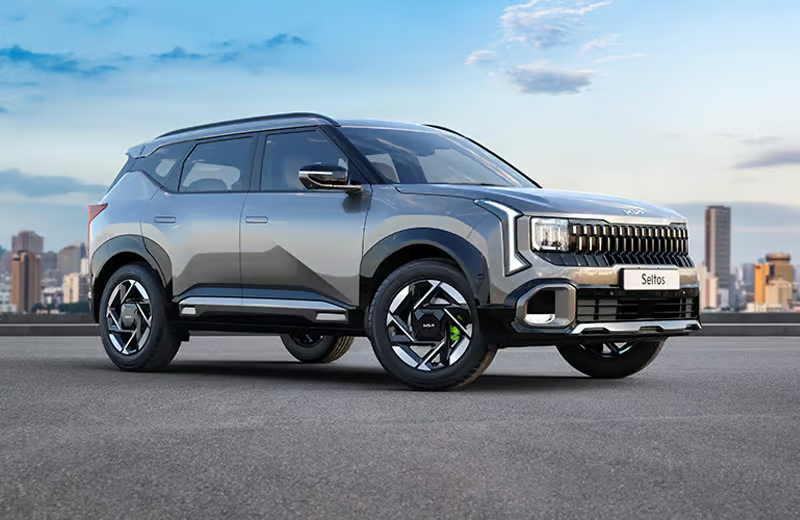
Kia Seltos Automatic vs Manual: Which Should You Buy in 2026?
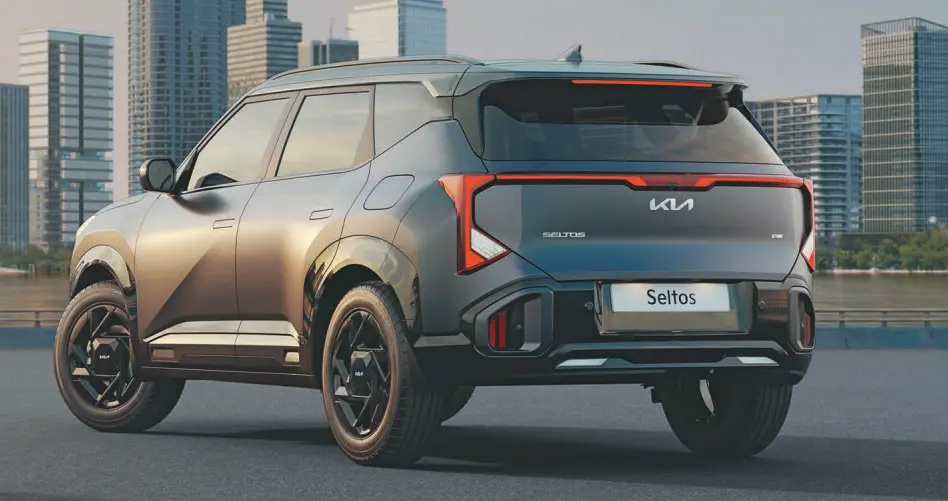
The all-new Kia Seltos comes with five different gearbox options. Most buyers think it is a simple automatic vs manual choice, but Kia actually offers 6MT, 6iMT, IVT, 7-speed DCT and a 6-speed torque converter automatic on the diesel. Each one drives very differently, and picking the wrong one can affect your daily commute, your fuel bill, and even your resale value later on.
In this post, we compare every Seltos gearbox option on price, mileage, city driving comfort, highway performance and long-term ownership, so you can make the right call.
If you’re short on time, this quick comparison highlights how each Seltos gearbox performs in everyday driving.
| Gearbox | City | Highway | Performance | Maintenance |
| 6MT | ★★★ | ★★★★ | ★★★ | ★★★★★ |
| 6iMT | ★★★★ | ★★★★ | ★★★★ | ★★★★ |
| IVT | ★★★★★ | ★★★ | ★★ | ★★★★ |
| DCT | ★★★ | ★★★★★ | ★★★★★ | ★★★ |
| Diesel AT | ★★★★ | ★★★★★ | ★★★★ | ★★★★ |
Seltos Gearbox Comparison at a Glance
| Gearbox | Engine | ARAI Mileage | Best For |
| 6MT | 1.5L Petrol | Up to 16.5 km/l | Budget buyers, city and highway mix |
| 6iMT | 1.5L Turbo Petrol | 15.6 km/l | manual gear changes without a clutch pedal, enthusiast feel |
| IVT (CVT) | 1.5L Petrol | Slightly lower than MT | Stop-and-go city traffic |
| 7-Speed DCT | 1.5L Turbo Petrol | 17.9 km/l | Highway performance and quick overtakes |
| 6AT (Torque Converter) | 1.5L Diesel | Lower than diesel MT | Long-distance highway drivers |
Now let us look at each option in detail.
1. Manual Transmission (6MT and 6iMT)
The 6MT is available on the naturally aspirated 1.5L petrol and the 1.5L diesel. The 6iMT (intelligent Manual Transmission) is a clutch-less manual offered only with the 1.5L turbo petrol engine, so you shift gears like a manual but without pressing a clutch pedal.
Why buyers still pick manual:
- Lowest purchase price in every trim
- Best fuel efficiency in the lineup, especially the diesel MT
- Full control over gear shifts, which many enthusiasts prefer on winding roads
- Lower maintenance cost over the years, since there is no complex gearbox electronics to service
- Manual variants generally appeal to a wider pool of used-car buyers because they cost less to buy and maintain.
Where it falls short:
- Tiring in heavy bumper-to-bumper traffic, especially in cities like Delhi, Mumbai or Bengaluru
- Not everyone in the family may be comfortable driving a manual, which can be a problem if the car is shared
2. IVT (Intelligent Variable Transmission)
The IVT is Kia’s version of a CVT gearbox, paired with the 1.5L naturally aspirated petrol engine. It changes ratios smoothly instead of jumping through fixed gears, which is why it feels so calm at low speeds.
Strengths:
- Very smooth in city traffic. It creeps forward gently in jams without any jerks, which makes daily commuting far less tiring
- Usually more fuel-efficient in city driving compared to the turbo DCT
- Lighter on the wallet than the DCT and diesel AT options
Weaknesses:
- Not built for spirited or pedal-to-metal driving. Push it hard for a quick overtake and the engine gets loud, with power delivery that feels steady rather than instant
- Slight drop in ARAI mileage compared to the manual version of the same engine
Owners who mainly drive in the city and prefer a relaxed style tend to be very happy with the IVT. It is a strong pick if your priority is comfort over performance.
3. 7-Speed DCT (Turbo Petrol Automatic)
The DCT comes only with the 1.5L turbo petrol engine, which makes 158 bhp and 253 Nm, a big jump over the 115 bhp naturally aspirated petrol.
Strengths:
- Surprisingly good mileage. The turbo DCT actually returns better ARAI figures than the turbo iMT
- Sharp, quick gear shifts that make highway overtakes and merging effortless
- Best performance option in the Seltos petrol range, ideal if you drive long distances or enjoy a spirited drive
Weaknesses:
- Can feel a bit hesitant and clunky at crawling speeds in heavy traffic
- Earlier Hyundai-Kia dry-clutch DCTs received complaints about overheating in prolonged stop-and-go traffic. Following the recommended driving practices, such as avoiding excessive clutch slip during long crawls, can help reduce the chances of this happening.
- Highest price premium in the petrol lineup
If your driving is 60 percent highway or more, or you simply enjoy a quicker, more engaging drive, the DCT is worth the extra money. If you are mostly stuck in city traffic, the IVT will feel more relaxed to live with.
4. Diesel Automatic (6-Speed Torque Converter AT)
This is the one section that deserves special attention if you are a diesel buyer. The Seltos diesel AT uses a conventional 6-speed torque converter gearbox, not a DCT, which generally means smoother low-speed manners and better long-term reliability than a dry-clutch DCT.
Strengths:
- Very smooth and refined for long highway stretches, which suits buyers who drive frequently between cities
- Diesel’s higher torque (250 Nm) combined with a torque converter gearbox feels effortless while overtaking on highways
- Torque converter automatics are generally regarded as more durable in stop-start Indian traffic than dry-clutch DCTs
Weaknesses:
- Noticeable mileage drop compared to the diesel manual. In real-world tests, the diesel manual has returned close to 17.2 kmpl, while the diesel automatic managed around 15.35 kmpl
- Highest on-road price in the range, and diesel service costs are generally higher too
- Not the best choice if your usage is mostly short city trips, since diesel particulate filters can face issues with frequent short runs
The diesel AT makes the most sense for buyers who drive 15,000 km or more per year, largely on highways, and want a comfortable, torque-converter automatic rather than a DCT.
Mileage Comparison: ARAI vs Real World
| Variant | ARAI Mileage | Real-World Mileage (approx) |
| Diesel MT | 19.4 km/l | 17.2 kmpl |
| Diesel AT | Lower than MT | 15.35 kmpl |
| Petrol MT | Up to 16.5 km/l | 13 to 14 kmpl |
| Petrol IVT | Slightly lower than MT | 12 to 13 kmpl |
| Turbo iMT | 15.6 km/l | 12 to 13 kmpl |
| Turbo DCT | 17.9 km/l | 13 to 14 kmpl |
Real-world figures will vary depending on your driving style and traffic conditions, but the pattern is clear. Manual gearboxes still lead on fuel efficiency across the range, and the diesel manual remains the most efficient Seltos you can buy, based on owner reports and independent road tests.
Price Comparison: Manual vs Automatic (Delhi On-Road Price)
| Trim | Manual On-Road Price | Automatic On-Road Price | Price Difference |
| HTE (O) Petrol | Rs 14.91 lakh | Rs 15.86 lakh (iVT) | Approx Rs 0.95 lakh |
| HTK Petrol | Rs 15.52 lakh | Rs 17.54 lakh (iVT) | Approx Rs 2.02 lakh |
| HTE (O) Diesel | Rs 17.13 lakh | Rs 18.64 lakh (6AT) | Approx Rs 1.51 lakh |
| HTK Diesel | Rs 18.30 lakh | Rs 19.82 lakh (6AT) | Approx Rs 1.52 lakh |
| HTE (O) Turbo iMT | Rs 15.82 lakh | Rs 19.72 lakh (HTK (O) Turbo DCT) | Approx Rs 3.90 lakh* |
Exact manual and automatic equivalents are not available for every engine. Where necessary, the closest comparable variant has been used.
Prices are indicative, based on Delhi on-road pricing, and will vary by city, registration charges and ongoing offers. For most petrol and diesel variants, expect to pay around Rs 1 lakh to Rs 2 lakh extra for an automatic gearbox over the equivalent manual version. The biggest premium is for the turbo-petrol DCT, where the closest automatic variant costs around Rs 3.9 lakh more than the HTE (O) Turbo iMT, although the higher price also reflects additional features rather than the gearbox alone.
Resale Value: Seltos Manual vs Automatic
Manual variants typically remain easier to sell in many Tier 2 and Tier 3 markets because they have lower purchase prices and simpler mechanicals. However, automatic variants are increasingly popular in metro cities where traffic conditions favour convenience.
If resale value is a big factor for you, or if you plan to sell the car within 4 to 5 years, this is worth keeping in mind alongside your daily driving comfort needs.
Which Kia Seltos Gearbox Should You Buy?
- Tight budget, don’t mind shifting gears: Go for the 6MT. It is the most affordable and fuel-efficient option, and holds resale value best.
- Mostly city driving, want comfort in traffic: Pick the IVT. It is smooth, easy to drive daily, and more affordable than the DCT.
- Frequent highway drives, want quick performance: Go for the turbo DCT. It combines the Seltos’ most powerful petrol engine with quick gear changes, while still delivering competitive ARAI fuel-efficiency figures.
- Long-distance diesel driver who wants comfort over an automatic: Choose the diesel AT, but only if your yearly running is high enough to justify the extra cost.
- Want a clutch-free feel without paying automatic prices: The 6iMT is a good middle ground, giving you manual control minus the clutch pedal.
Pros and Cons
| Gearbox | Biggest Advantage | Biggest Drawback |
| 6MT | Cheapest | Traffic fatigue |
| 6iMT | No clutch pedal | Not fully automatic |
| IVT | Smoothest | Slower acceleration |
| DCT | Fastest shifts | Less comfortable in heavy traffic |
| Diesel AT | Great highway cruiser | Highest purchase price |
Our Verdict
Best budget choice: 6MT
Best city automatic: IVT
Best performance: 7DCT
Best highway diesel: 6AT
Best compromise: 6iMT
Frequently Asked Questions
Is the Kia Seltos automatic worth it in traffic?
Yes, especially the IVT variant. It is one of the smoothest automatics in this price range for stop-and-go city traffic. The DCT is less relaxed in heavy jams and can feel a bit hesitant at crawling speeds.
Which is better for the Seltos, IVT or DCT?
The IVT is better for city driving and daily commutes, since it is smoother at low speeds and easier on fuel in traffic. The turbo-petrol engine paired with the 7-speed DCT delivers the strongest performance in the Seltos range.
Does the Kia Seltos DCT have overheating issues?
Earlier Hyundai-Kia dry-clutch DCTs received complaints about overheating in prolonged stop-and-go traffic. Following Kia’s recommended driving practices, such as shifting to Neutral or Park during long halts, can help reduce the chances of overheating.
Is the Seltos diesel automatic worth buying?
It is worth it only if you drive long distances regularly, mostly on highways. For mostly city use, the extra cost and lower mileage compared to the diesel manual may not be justified.
How much more does the Seltos automatic cost compared to the manual?
Depending on the engine and trim, the automatic version typically costs around Rs 1 lakh to Rs 2 lakh more than the equivalent manual variant. The exception is the turbo-petrol range, where the closest DCT variant can cost around Rs 3.9 lakh more because it also includes additional features.
Does the Seltos manual have better resale value than the automatic?
Yes, in many parts of India. Manual Seltos variants generally appeal to a wider pool of used-car buyers because they are more affordable to purchase and maintain. However, automatic variants are becoming increasingly popular in metro cities where driving convenience is a higher priority.
Also Read
- → ADAS SUVs in India: Complete Guide to Advanced Driver Assistance Systems
- → Most Reliable SUV Brands in India (2026): An Evidence-Based Ranking
- → Maruti Brezza vs Hyundai Venue 2026: Which Compact SUV is Better for You?
- → Hyundai Venue Turbo Review
- → Hyundai Venue On-Road Price in New Delhi: Complete Variant-Wise On-Road Prices (2026)