Kia Sonet Safety Features Explained: What Indian Buyers Should Know
Published on 5 September 2026
Safety has become an important factor for Indian car buyers, especially when choosing a family SUV. Buyers now look beyond airbags and want features that can help prevent an accident, improve stability and make everyday driving easier.
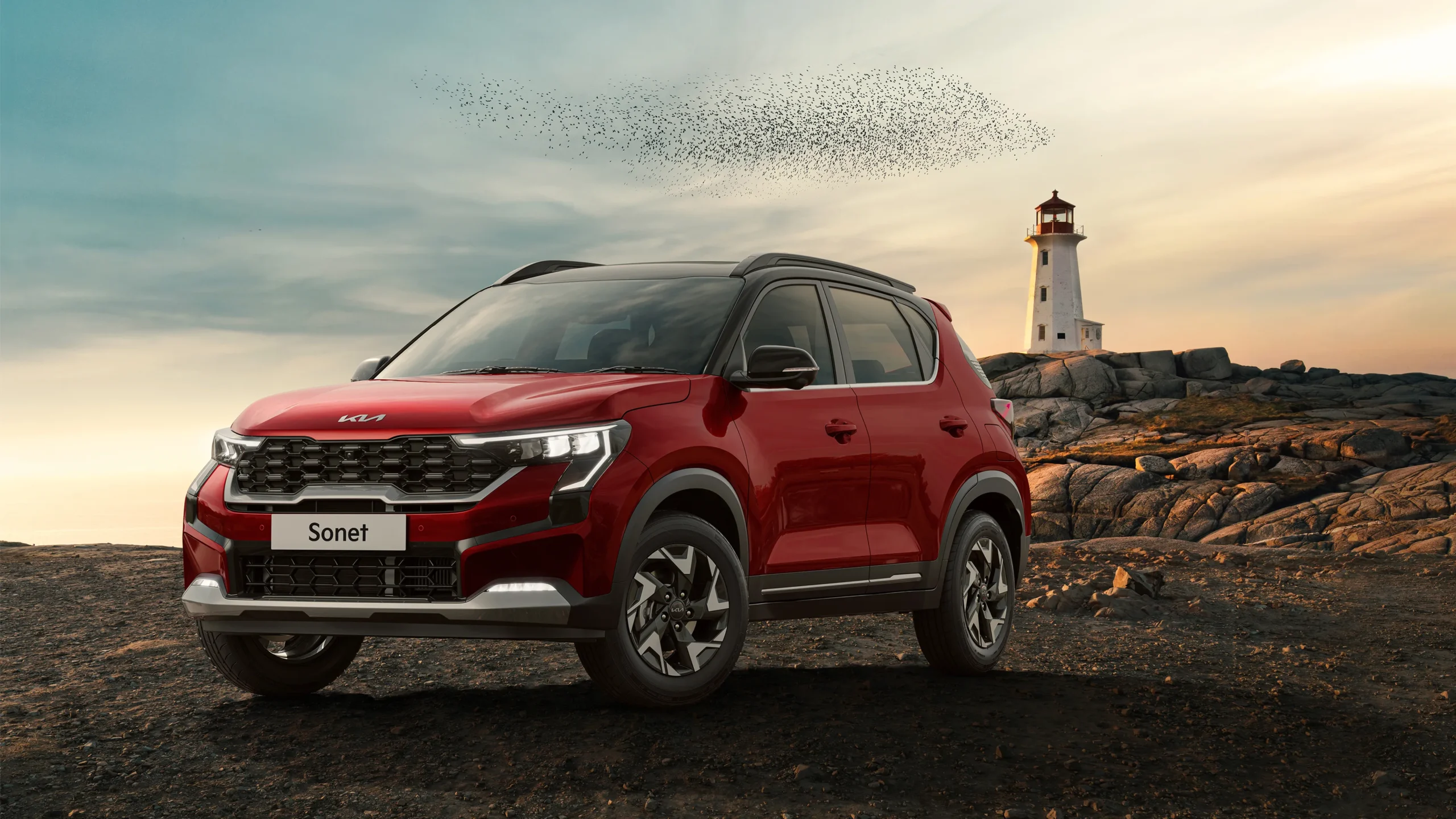
The Kia Sonet offers a useful set of safety features across its range. Every variant gets six airbags, electronic stability control, hill-start assist, a tyre pressure monitoring system and three-point seatbelts for all passengers. Higher variants add features such as a rear camera, all-wheel disc brakes, a 360-degree camera and Level 1 ADAS.
However, a long list of features does not automatically make a car completely safe. It is important to understand what these features do, which variants offer them and where their limitations lie.
Kia Sonet Safety Features at a Glance
| Safety feature | Availability | Practical benefit |
| Six airbags | All variants | Provides front, side and curtain airbag protection |
| ABS with EBD | All variants | Helps the driver maintain control during hard braking |
| Brake Assist System | All variants | Adds braking force during an emergency stop |
| Electronic Stability Control | All variants | Helps control skidding or loss of stability |
| Vehicle Stability Management | All variants | Works with steering and braking systems to improve stability |
| Hill-start Assist Control | All variants | Helps prevent the car from rolling backwards on a slope |
| Highline TPMS | All variants | Displays individual tyre-pressure information |
| Rear parking sensors | All variants | Warns the driver about obstacles while reversing |
| Three-point seatbelts | All seats, all variants | Provides better restraint than a lap belt |
| Seatbelt reminders | All seats, all variants | Reminds passengers to wear their seatbelts |
| ISOFIX child-seat mounts | All variants | Allows compatible child seats to be installed securely |
| Rear-view camera | HTK (O) onwards | Improves visibility while reversing |
| Driving Rear View Monitor | HTK (O) onwards | Shows a live rear view on the infotainment screen |
| Dual-camera dashcam | HTK Plus (O) | Records the view outside and inside the vehicle |
| All-wheel disc brakes | HTX, GTX Plus and X-Line | Adds disc brakes to the rear wheels |
| Front parking sensors | GTX Plus and X-Line | Helps judge obstacles near the front bumper |
| 360-degree camera and Blind View Monitor | GTX Plus and X-Line | Improves visibility around the car |
| Level 1 ADAS | GTX Plus and X-Line | Provides collision, lane and driver-attention assistance |
Feature availability is based on the 2026 Kia Sonet brochure. Equipment can change, so buyers should confirm the exact variant specification before booking.
Six Airbags Are Standard
Every Kia Sonet variant gets six airbags. These include:
- Two front airbags
- Two front-seat side airbags
- Two side-curtain airbags
The front airbags are intended to protect the driver and front passenger during certain frontal impacts. Side airbags provide additional protection around the chest area, while curtain airbags cover part of the window area during certain side impacts.
Airbags work properly only when passengers are wearing seatbelts and sitting in the correct position. They should not be treated as replacements for seatbelts.
Avoid installing non-compatible seat covers over seats containing side airbags. Thick or poorly designed covers may interfere with airbag deployment. Ask the dealer whether any seat covers being offered are compatible with side airbags.
ABS, EBD and Brake Assist
The Sonet gets ABS with EBD and Brake Assist as standard.
ABS, or anti-lock braking system, helps prevent the wheels from locking during hard braking. This allows the driver to retain some steering control instead of simply sliding forward.
Electronic brakeforce distribution adjusts braking force according to factors such as vehicle load and available grip. Brake Assist can apply additional braking pressure if the system detects an emergency braking situation.
These systems cannot overcome the laws of physics. A car may still take longer to stop on a wet, sandy or broken road. Maintaining a safe distance from the vehicle ahead remains essential.
ESC and Vehicle Stability Management
Electronic Stability Control is one of the most useful accident-prevention features available in a modern car. It is standard across the Kia Sonet range.
ESC can detect when the car is beginning to move away from the driver’s intended direction. It may apply the brakes to individual wheels and reduce engine power to help restore stability.
This can be particularly useful during:
- Sudden lane changes
- Emergency obstacle avoidance
- Driving on wet roads
- Entering a corner too quickly
- Braking on a road with uneven grip
Vehicle Stability Management works with systems such as ESC and the electric power steering to provide additional assistance in difficult situations.
ESC does not make aggressive driving safe. Its purpose is to assist the driver when the car approaches its grip limits, not to increase those limits.
Hill-start Assist Control
Hill-start Assist Control helps prevent the Sonet from rolling backwards when starting on an incline. It briefly holds the brakes while the driver moves from the brake pedal to the accelerator.
This is useful on flyovers, basement parking ramps and hilly roads. It can be particularly helpful for new drivers and people driving manual or iMT versions.
The system holds the vehicle only for a short period. It should not be used as a parking brake or relied upon to keep the car stationary for a long time.
Highline Tyre Pressure Monitoring System
All Sonet variants get a highline tyre pressure monitoring system. Unlike a basic warning light, a highline system can display the pressure of individual tyres.
This feature is especially helpful before highway journeys. Incorrect tyre pressure can affect fuel efficiency, braking, steering and tyre life. A slow puncture may also be noticed before the tyre becomes completely flat.
Drivers should still check tyre pressure manually at regular intervals. TPMS is a warning system and does not replace basic tyre inspection. Remember to check the spare wheel as well because it may not be monitored by the system.
Rear Parking Camera and Other Visibility Features
Rear parking sensors are standard, but a rear-view camera is available from the HTK (O) variant onwards. These variants also get a Driving Rear View Monitor, which can display a live view from behind the car.
The GTX Plus and X-Line add:
- Front parking sensors
- 360-degree camera
- Blind View Monitor in the instrument cluster
A 360-degree camera is helpful in narrow parking areas and crowded market roads. The Blind View Monitor can show the view beside the vehicle when the indicator is used.
These are visibility aids, not replacements for the mirrors or a shoulder check. Cameras may fail to show small or fast-moving objects. Dirt, rain and poor lighting can also reduce image quality.
Which Sonet Variants Get ADAS?
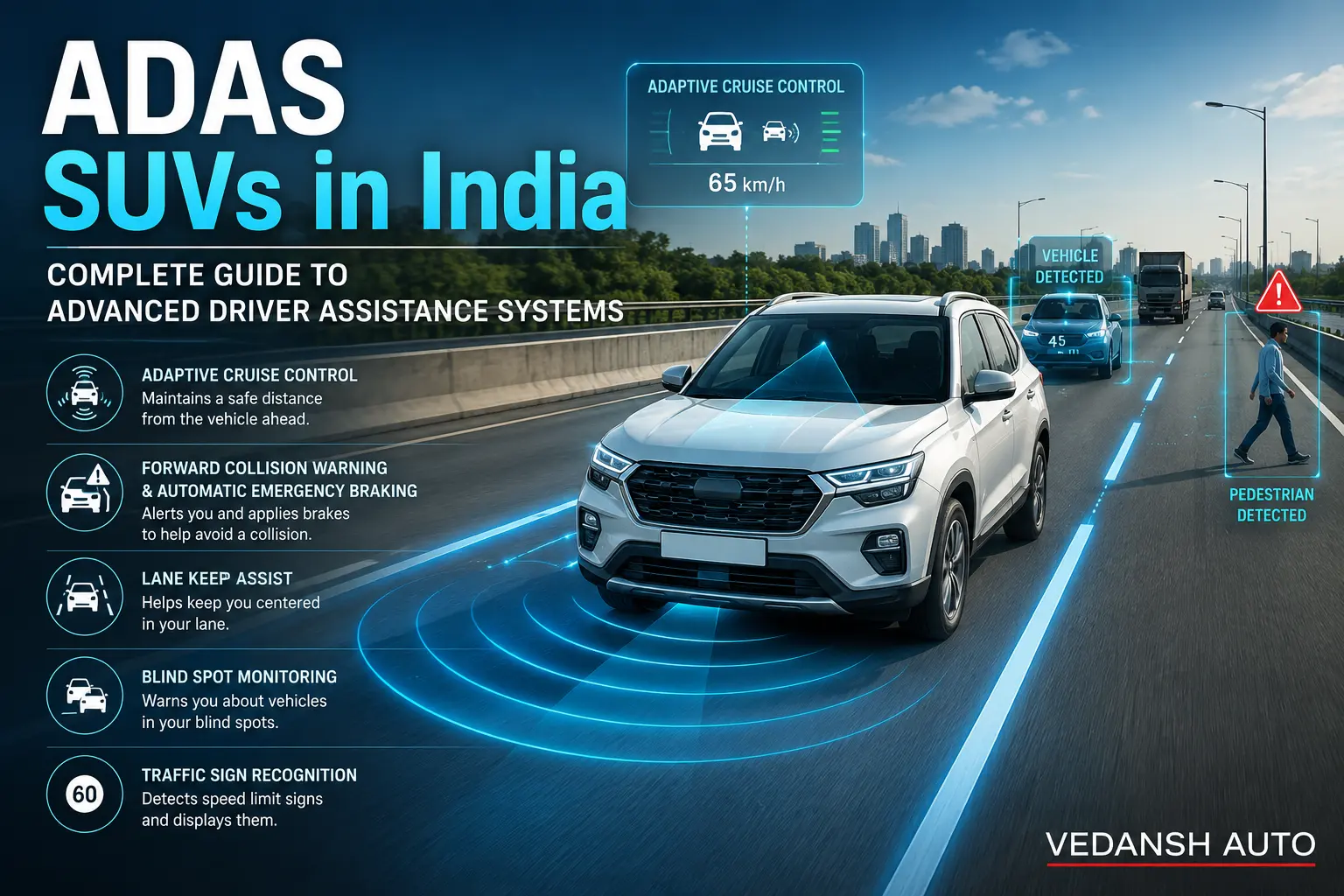
Level 1 ADAS is available on the GTX Plus and X-Line variants. The system includes 10 assistance features:
- Forward Collision Warning
- Forward Collision-Avoidance Assist for cars
- Forward Collision-Avoidance Assist for pedestrians
- Forward Collision-Avoidance Assist for cyclists
- Lane Departure Warning
- Lane Keep Assist
- Lane Following Assist
- High Beam Assist
- Leading Vehicle Departure Alert
- Driver Attention Warning
Forward Collision Warning alerts the driver when it detects a possible collision. Forward Collision-Avoidance Assist may apply the brakes if the driver does not respond in time.
Lane Departure Warning can alert the driver if the vehicle begins leaving its lane without an indicator. Lane Keep Assist and Lane Following Assist can provide steering inputs to help the car remain within a detected lane.
ADAS performance can be affected by faded lane markings, road construction, heavy rain, fog, glare and dirty cameras. Indian roads also have unpredictable movement from pedestrians, animals, two-wheelers and vehicles travelling in the wrong direction.
Drivers must therefore remain alert and keep their hands on the steering wheel. Level 1 ADAS does not make the Sonet a self-driving car.
All-Wheel Disc Brakes
Lower Sonet variants get front disc brakes and rear drum brakes. The HTX, GTX Plus and X-Line get disc brakes on all four wheels.
Rear disc brakes can offer more consistent braking performance, particularly after repeated braking. They may also dissipate heat better than drum brakes.
However, the presence of four disc brakes does not guarantee a shorter stopping distance in every situation. Tyre condition, road surface, vehicle speed, brake calibration and driver reaction also play major roles.
How Does the Sonet Compare with Its Rivals?
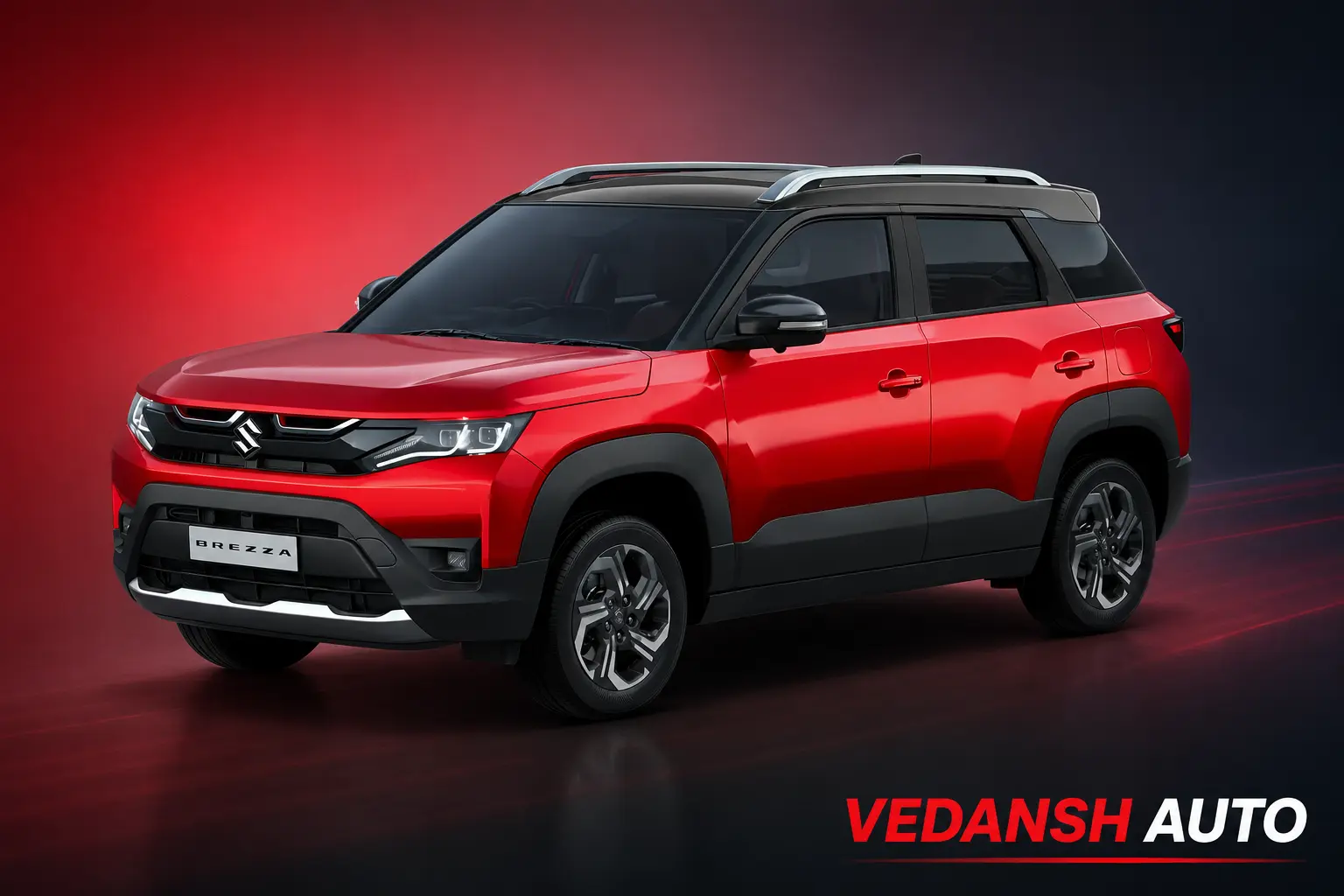
| Safety area | Kia Sonet | Hyundai Venue | Maruti Brezza |
| Airbags | Six standard | Six standard | Six standard |
| Stability control | ESC and VSM standard | ESC and VSM available as part of its safety package | ESP with Hill Hold Control standard |
| TPMS | Highline TPMS standard | Highline TPMS available | Not highlighted as a standard feature |
| Rear camera | HTK (O) onwards | Available on selected variants | Available on selected variants |
| 360-degree camera | GTX Plus and X-Line | Available on selected higher variants | Available on selected higher variants |
| ADAS | Level 1 with 10 features on GTX Plus and X-Line | Level 2 with 16 features on selected higher variants | No ADAS suite advertised on the current official product page |
| Rear disc brakes | HTX onwards | Four-wheel disc brakes available | Front discs and rear drums |
The new Hyundai Venue has a more advanced Level 2 ADAS suite on selected variants. It includes functions such as Smart Cruise Control with Stop and Go and additional collision-avoidance assistance.
The Maruti Brezza covers important basics such as six airbags, electronic stability control and Hill Hold Control. Higher variants also offer a 360-degree camera. However, Maruti’s current official Brezza page does not advertise an ADAS package.
The Sonet sits between these approaches. It provides a strong standard safety package across the range and offers useful camera and ADAS features on its top variants. Its ADAS suite is not as extensive as the latest Venue’s system.
Which Variant Makes Sense for a Safety-Conscious Buyer?
The base and mid-level Sonet variants already cover the most important features. Six airbags, ESC, hill-start assist, highline TPMS, three-point seatbelts and ISOFIX mounts are standard.
The HTK (O) is worth considering if you want a factory-fitted rear camera without moving to an expensive top variant. A rear camera can be more useful every day than some premium cabin features.
The HTK Plus (O) adds a dual-camera dashcam. A dashcam does not prevent an accident, but recordings may help in insurance disputes or when establishing what happened during an incident.
The HTX is suitable for buyers who want all-wheel disc brakes but do not require ADAS.
Choose the GTX Plus or X-Line if you specifically want:
- Level 1 ADAS
- A 360-degree camera
- Blind View Monitor
- Front parking sensors
Do not stretch your budget only to get ADAS if doing so creates financial pressure. The essential safety package is already present on the lower variants.
Practical Safety Advice for Sonet Owners
- Make sure every passenger wears a seatbelt, including those sitting in the rear.
- Use an appropriate ISOFIX child seat instead of carrying a child on an adult’s lap.
- Do not place children in the front seat when a rear seat is available.
- Avoid fitting dashboard ornaments near the passenger airbag area.
- Use only side-airbag-compatible seat covers.
- Maintain the tyre pressure recommended by Kia.
- Replace damaged or badly worn tyres instead of depending only on electronic safety systems.
- Keep the windscreen, cameras and parking sensors clean.
- Ask the salesperson to demonstrate ADAS and camera functions during delivery.
- Read the owner’s manual before changing warning or assistance settings.
- Never test collision-avoidance features intentionally on a public road.
Final Verdict
The Kia Sonet’s biggest safety advantage is not limited to its top variants. Even the entry-level versions get six airbags, electronic stability control, hill-start assist, highline TPMS, three-point seatbelts for all passengers and ISOFIX mounts.
The HTK (O) adds practical parking assistance, while the HTX introduces all-wheel disc brakes. Buyers who want the complete technology package will need to consider the GTX Plus or X-Line, which get Level 1 ADAS, a 360-degree camera and Blind View Monitor.
The Hyundai Venue offers a more advanced ADAS package on selected variants, while the Maruti Brezza provides the major basic safety systems but does not currently advertise ADAS.
Finally, a safety-feature list should not be confused with an independent crash-test result. The Sonet does not have a Bharat NCAP rating. Buyers should check the latest official crash-test listings separately and consider the vehicle’s crash performance along with its safety equipment.
Frequently Asked Questions
Does every Kia Sonet variant get six airbags?
Yes. The 2026 Kia Sonet brochure lists front, side and curtain airbags as standard across all variants.
Which Kia Sonet variants get ADAS?
Level 1 ADAS is available on the GTX Plus and X-Line variants. It includes 10 collision, lane and driver-attention assistance features.
Is a 360-degree camera available in the Kia Sonet?
Yes. The 360-degree camera, Blind View Monitor and front parking sensors are available on the GTX Plus and X-Line.
Does the Kia Sonet have tyre pressure monitoring?
Yes. All Sonet variants get a highline tyre pressure monitoring system that can display the pressure of individual tyres.
Which Kia Sonet variants have rear disc brakes?
The HTX, GTX Plus and X-Line have disc brakes on all four wheels. Lower variants use front disc and rear drum brakes.
Has the Kia Sonet received a Bharat NCAP rating?
No, the Kia Sonet has not been officially crash tested by Bharat NCAP. Buyers should check the latest official Bharat NCAP listings instead of assuming crash performance from the feature count alone.
ALSO READ:-
KIA SONET PETROL VS DIESEL
KIA SONET AUTOMATIC VS MANUAL