6 Airbags in Cars: What Do They Actually Do?
Published on 9 September 2026
Six airbags have become an important safety feature in new cars sold in India. Many manufacturers now offer them as standard across variants, and buyers increasingly look for the number of airbags when comparing cars.
But what do six airbags actually do? Does having six airbags automatically mean a car is safer than one with two airbags? And where are these airbags located?
The answers are worth understanding before you choose your next car.
What Are Airbags and How Do They Work?
An airbag is a supplementary restraint system designed to reduce the risk of serious injury during a crash. It works alongside the seat belt rather than replacing it.
When the car detects a sufficiently severe impact, sensors send a signal to the airbag control system. The appropriate airbags inflate rapidly to provide a cushioning barrier between the occupants and parts of the vehicle.
Airbags are designed to work in fractions of a second. They are not meant to prevent every injury, but they can reduce the severity of injuries in certain types of crashes.
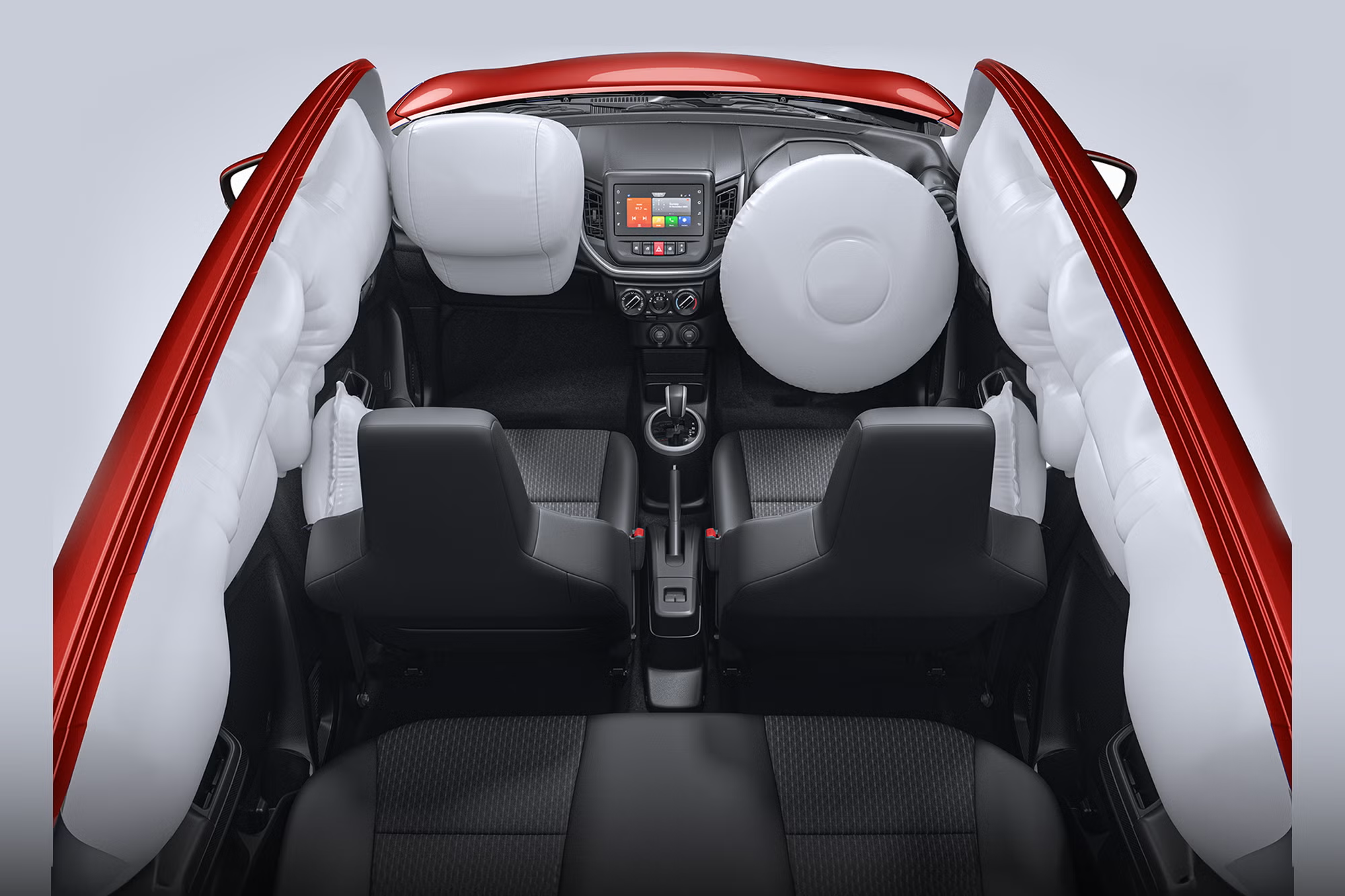
What Are the Six Airbags in a Car?
When a manufacturer says a car has six airbags, it usually refers to:
- Two front airbags
- Two side or torso airbags
- Two curtain airbags
The exact design can vary between models, so it is always worth checking the manufacturer’s specifications rather than assuming that every six-airbag system is identical.
India’s regulations require M1 passenger vehicles manufactured from the relevant implementation period to have two front side/torso airbags and two side curtain/tube airbags in addition to the front airbags. These additional airbags are intended to improve protection, particularly in side impacts.
1. Front Airbags
The two front airbags are positioned in front of the driver and front passenger.
The driver’s airbag is generally housed in the steering wheel, while the front passenger airbag is located in the dashboard.
Their primary purpose is to reduce the risk of serious injury when an occupant moves forward during a frontal collision. They provide a cushion between the occupant and the steering wheel, dashboard and other parts of the vehicle.
However, front airbags are not a substitute for seat belts. In fact, the two systems are designed to work together.
2. Side or Torso Airbags
The next two airbags are generally positioned in the front seats or the side structure of the cabin.
Their job is different from that of the front airbags. They are designed primarily to provide protection to the torso during a side-impact crash.
In a side collision, there is considerably less space between the occupant and the door or other vehicle involved in the impact. A side airbag can provide an additional cushion between the occupant and the vehicle structure.
The Indian government’s description of the requirement specifically identifies side/torso airbags as protection against lateral impacts.
3. Curtain Airbags
The remaining two airbags are curtain airbags.
These are generally installed along the sides of the roof and deploy downwards like a curtain. They are designed to protect the heads of occupants sitting in the outboard seats during certain side impacts and rollovers.
Curtain airbags can also help reduce the risk of occupants being ejected through the side windows during some crashes.
This is particularly important because head injuries can be serious in side-impact crashes, where there is relatively little space between an occupant’s head and the side of the vehicle.
Are Six Airbags Better Than Two?
Generally, yes.
A car with six airbags provides additional protection in crash situations where front airbags alone may not be enough. The side and curtain airbags are particularly important because frontal airbags cannot provide the same type of protection during a side impact.
However, it would be wrong to assume that a six-airbag car is automatically safer than every two-airbag car.
Airbags are just one part of a vehicle’s safety system.
The strength of the passenger compartment, seat belts, electronic stability control, crash-avoidance systems and the way the airbags work together all matter.
This is why crash-test results are important when comparing cars.
Do Airbags Work Without Seat Belts?
Airbags are designed to work with seat belts, not instead of them.
A seat belt helps keep the occupant in the correct position during a crash, while the airbag provides additional cushioning when it deploys.
Not wearing a seat belt can therefore reduce the effectiveness of the overall restraint system and can also create additional risks when an airbag deploys.
This is one reason modern cars increasingly include seat-belt reminders for occupants in multiple seating positions.
Are Six Airbags Enough to Make a Car Safe?
No.
Six airbags should be viewed as an important part of a car’s safety package rather than a complete measure of safety.
When buying a car, you should also look for features such as:
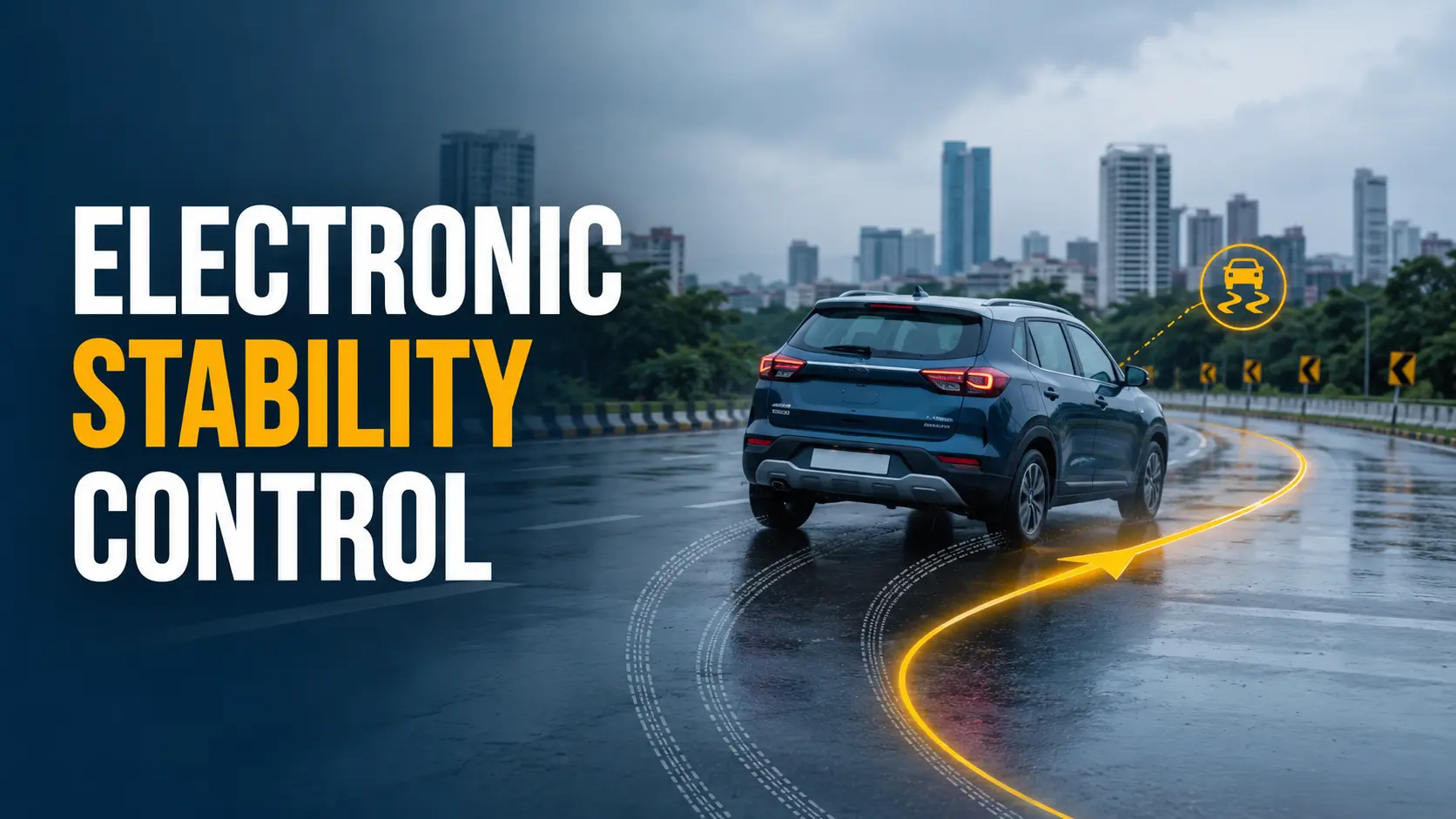
Electronic Stability Control
Electronic Stability Control (ESC) can help the driver maintain control when the car begins to lose stability. It is particularly useful during situations such as sudden steering manoeuvres or loss of traction.
Seat-Belt Pretensioners and Load Limiters
These systems help manage the forces acting on occupants during a crash and work together with the airbags.
Three-Point Seat Belts
A three-point seat belt should be available for every seating position where applicable. Seat belts remain one of the most important occupant-protection systems in a car.
ISOFIX Child-Seat Mounts
Families with young children should check for ISOFIX mounts and ensure that the child seat is compatible with the vehicle.
Strong Passenger Compartment
The vehicle’s body structure plays a major role in protecting occupants during a crash. Airbags cannot compensate for every weakness in the structure.
Crash-Test Rating
A crash-test rating provides a much broader picture of how a vehicle performs in controlled crash tests.
Bharat NCAP assesses areas including adult occupant protection, child occupant protection and safety-assist technologies.
Six Airbags vs Crash-Test Rating
This is an important distinction for car buyers.
Think of six airbags as one safety feature, while a crash-test rating evaluates the performance of the vehicle across a much wider range of criteria.
For example, the current Bharat NCAP results show that the Maruti Suzuki Brezza has six airbags as standard along with features such as ESC, curtain airbags and seat-belt reminders. Its Bharat NCAP assessment also records its adult and child occupant protection scores.
This illustrates why looking at the complete safety package is more useful than simply counting airbags.
Cars With Six Airbags as Standard
Several cars across different price segments now offer six airbags as standard equipment, rather than reserving them for higher variants. Some examples include:
| Car | Segment | Six airbags |
| Hyundai Grand i10 Nios | Hatchback | Standard |
| Hyundai Exter | Micro SUV | Standard |
| Hyundai i20 | Premium hatchback | Standard |
| Hyundai i20 N Line | Premium hatchback | Standard |
| Maruti Suzuki Brezza | Compact SUV | Standard |
| Maruti Suzuki Dzire | Compact sedan | Standard |
The important point for buyers is that six airbags are no longer limited to expensive cars. Models such as the Hyundai Grand i10 Nios and Exter offer them even in relatively affordable segments, while cars such as the i20, Brezza and Dzire bring the feature to larger hatchback, SUV and sedan buyers. However, equipment can change with model updates, so buyers should always check the latest variant-wise specifications before booking a car.
What About Seven or More Airbags?
Some cars offer more than six airbags.
An additional knee airbag, for example, can provide another layer of protection for the driver’s lower body in certain frontal crashes. Other vehicles may use additional airbags depending on their design.
But once again, more airbags do not automatically mean a higher level of overall safety.
The location, deployment strategy and integration of the airbags with the vehicle’s restraint system matter.
What Should You Check Before Buying a Car?
Instead of asking only, “How many airbags does this car have?”, look at the bigger picture.
Before buying, check:
- Number and type of airbags
- Whether six airbags are standard across all variants
- Bharat NCAP or Global NCAP crash-test results, where available
- ESC availability
- Seat-belt reminders
- Three-point seat belts
- ISOFIX mounts
- Front and rear parking sensors
- ADAS features, if offered
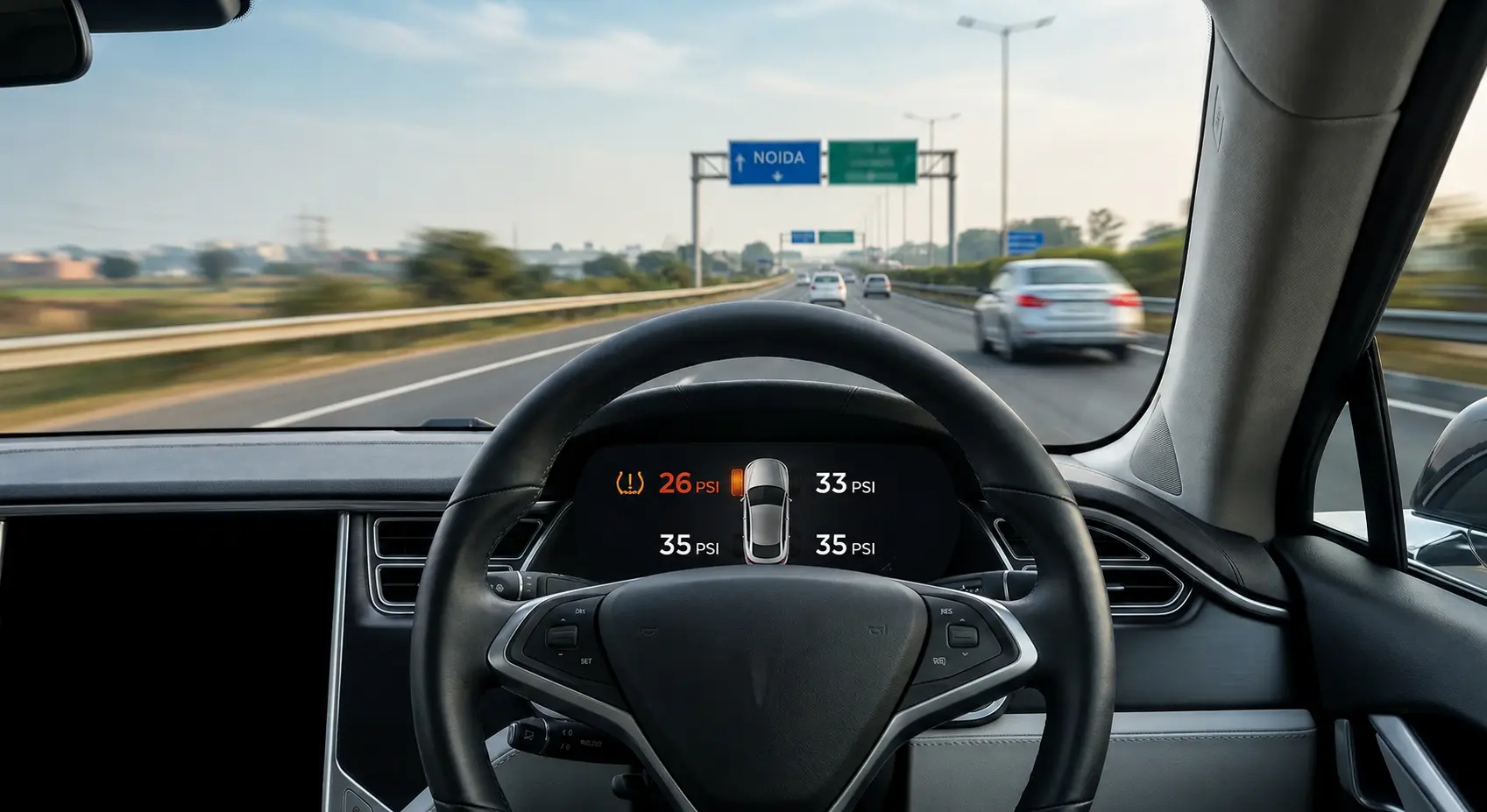
- Tyre-pressure monitoring system
- Whether the safety features are standard or restricted to higher variants
For example, Maruti Suzuki’s newer safety-focused models such as the Dzire and Brezza combine six airbags with features including ESC, seat-belt reminders and ISOFIX mounts. The New Brezza has also received a five-star Bharat NCAP rating for adult and child occupant protection.
The Bottom Line
Six airbags are a significant improvement over having only front airbags because they provide additional protection in side-impact crashes and can help protect the heads and torsos of occupants.
But airbags are only one part of a car’s safety system.
When choosing a new car, don’t stop at the number printed in the brochure. Look at the airbag configuration, crash-test rating, body structure, seat belts, ESC and other safety equipment together.
A car with six airbags is a good starting point, but the safest choice is the one that combines these features into a well-designed overall safety package.